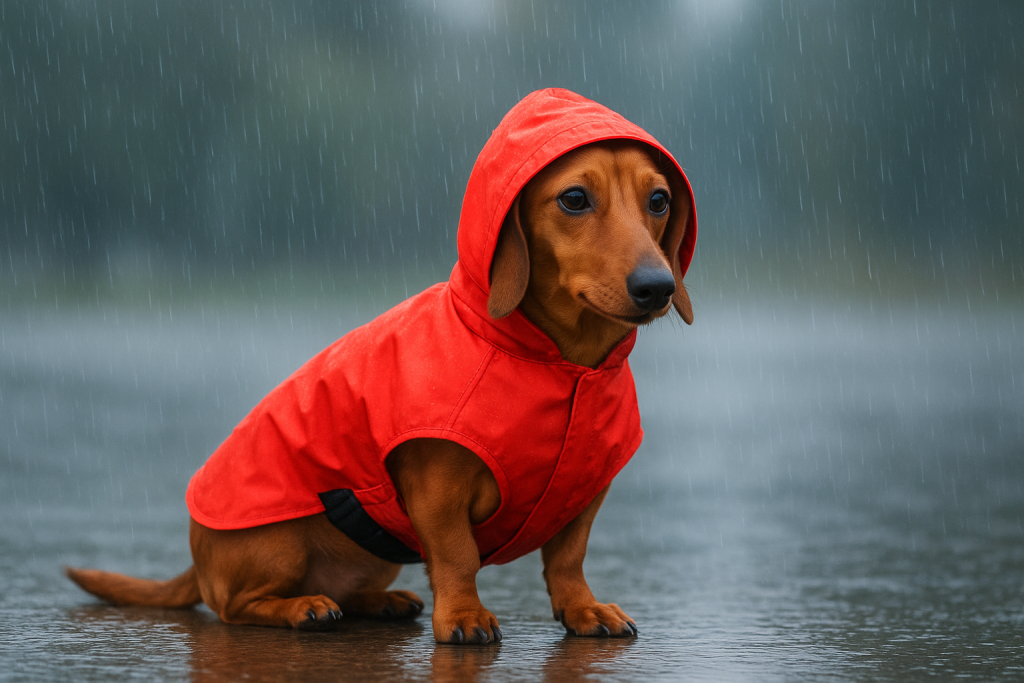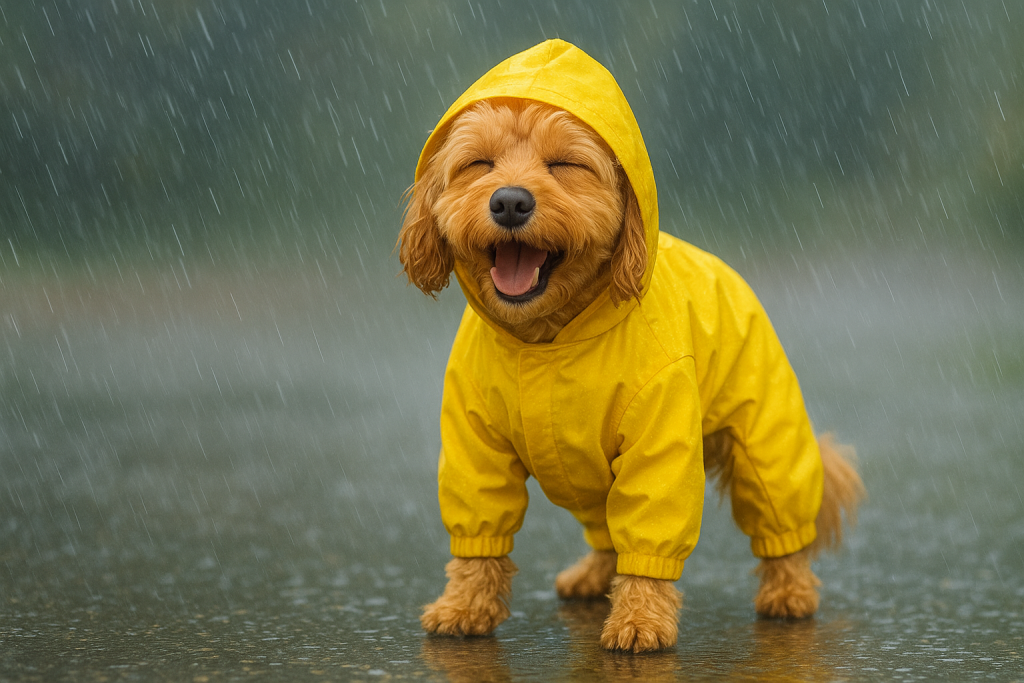


Rain Coat Dog: The Complete Guide to Keeping Your Dog Dry and Comfortable

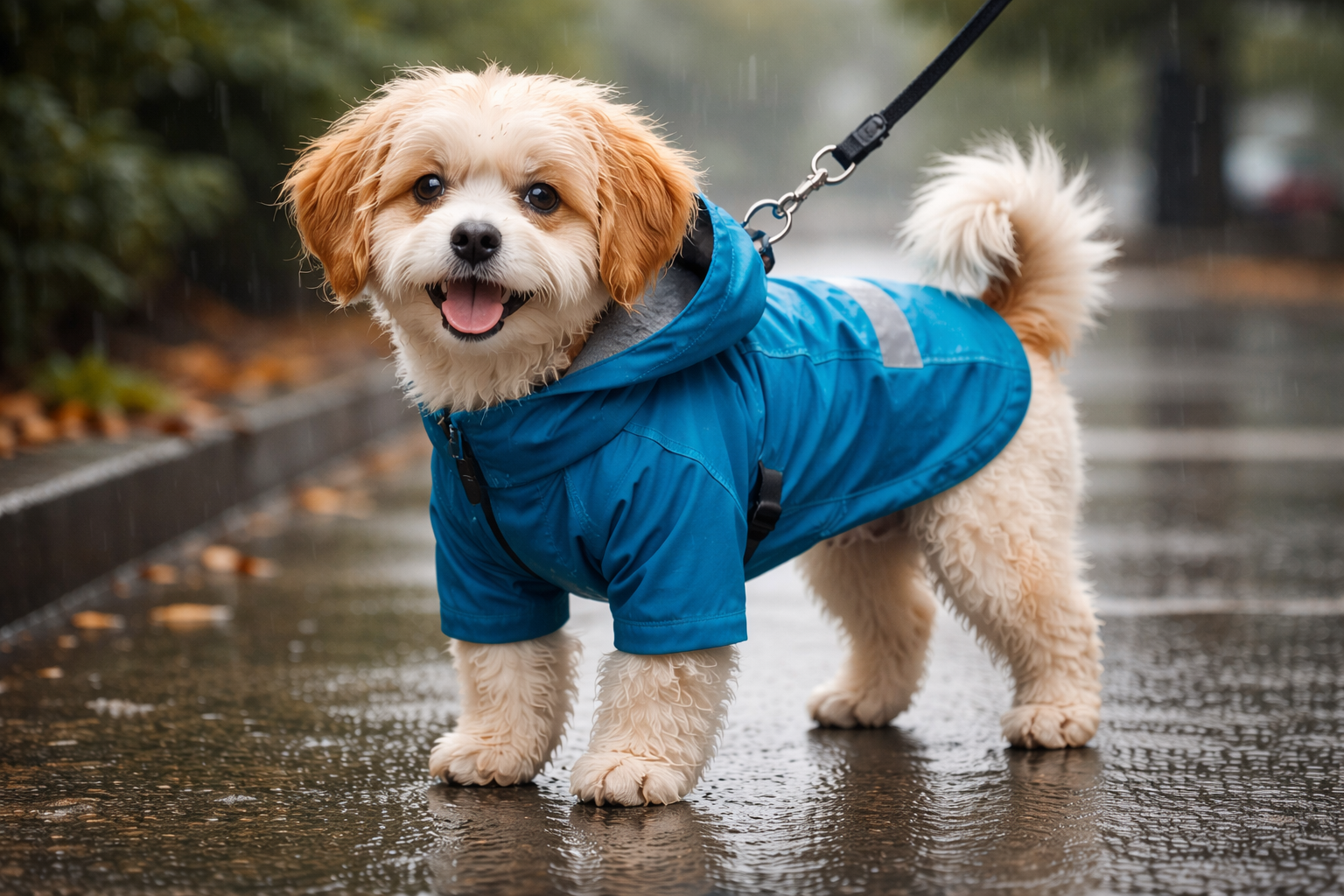
Rain coat dog products are no longer just stylish accessories — they are essential protective gear for dogs exposed to wet and windy conditions. Whether you live in a rainy coastal city or experience seasonal storms, a high-quality rain coat dog solution helps keep your pet dry, warm, and comfortable during outdoor walks.
Wet fur can quickly lead to discomfort, odor, skin irritation, and even chills in smaller breeds. Investing in the right rain coat dog design ensures your dog stays protected without restricting movement.
In this comprehensive guide, we’ll explore why raincoats matter, how to choose the best option, and what features truly make a difference.
Why a Rain Coat Dog Outfit Is Important
Dogs naturally have some resistance to rain, but prolonged exposure to moisture can cause problems. Small breeds, short-haired dogs, senior dogs, and puppies are especially vulnerable.
According to the American Kennel Club, extended exposure to cold and wet weather may increase the risk of hypothermia, particularly in small or thin-coated breeds. A rain coat dog garment acts as a protective barrier against rain, wind, and damp air.
Beyond temperature regulation, rain protection also helps reduce post-walk drying time, prevent muddy fur, protect sensitive skin, and minimize the typical wet dog odor inside the home.
For urban dogs that walk daily regardless of weather conditions, a rain coat dog product becomes a practical necessity rather than a luxury.
Which Dogs Benefit Most from Rain Protection?
Not all dogs require rainwear, but certain breeds benefit significantly.
Small companion breeds such as the Chihuahua or Yorkshire Terrier have limited natural insulation. Thin-coated breeds like the Greyhound are also sensitive to cold rain.
Senior dogs with joint sensitivity may experience increased stiffness in damp conditions. A lightweight rain coat dog jacket can help maintain body warmth and improve comfort during short outdoor trips.
Even medium-sized breeds can benefit in heavy downpours, especially if they live in consistently rainy regions.
Key Features to Look for in a Rain Coat Dog Product
Choosing the correct rain coat dog design requires attention to materials, construction, and fit.
True waterproof fabric prevents moisture penetration even during prolonged rainfall. Look for sealed seams and durable outer shells such as polyurethane-coated polyester. Water-resistant materials may handle light drizzle but are not sufficient for heavy rain.
Breathability is equally important. A well-designed rain coat dog jacket should prevent overheating. Breathable lining helps regulate body temperature and reduce condensation inside the coat.
Proper coverage should extend from the neck to the base of the tail. Adjustable belly straps and elastic leg loops improve stability during movement and prevent slipping.
Visibility is crucial during rainy, low-light conditions. Reflective strips increase safety during early morning or evening walks.
A functional rain coat dog design should also include a harness opening or leash port to maintain convenience.
How to Measure Your Dog Correctly
Accurate measurement ensures comfort and reduces the likelihood of returns.
Measure the neck circumference, chest girth at the widest part, and back length from the base of the neck to the base of the tail. Always compare measurements with the manufacturer’s sizing chart rather than relying solely on breed assumptions.
If your dog falls between sizes, prioritize the chest measurement for the best fit.
Benefits of Using a Rain Coat Dog Jacket
A high-quality rain coat dog garment offers measurable advantages. It keeps fur dry, reduces skin irritation, minimizes household mess, maintains body temperature, and improves overall outdoor comfort.
For dogs that dislike towel drying or extended grooming sessions, rain protection simplifies the post-walk routine significantly.
Additionally, protecting your dog from repeated soaking may reduce the likelihood of fungal or bacterial skin issues in humid environments.
Training Your Dog to Wear a Raincoat
Some dogs initially resist wearing clothing. Gradual desensitization improves acceptance and reduces stress.
Allow your dog to inspect the coat before putting it on. Introduce it indoors for short sessions and reward calm behavior with positive reinforcement. Gradually increase wear time before transitioning to outdoor walks.
Most dogs adapt quickly when the garment fits properly and does not restrict movement.
Common Mistakes to Avoid
Avoid selecting rainwear based solely on appearance. Fashion-focused designs may lack durability or proper waterproofing. Ignoring sizing charts often results in discomfort or restricted mobility.
Do not immediately begin with long outdoor walks. Gradual acclimatization prevents negative associations. Always monitor your dog for signs of irritation or discomfort.
Is a Rain Coat Dog Jacket Necessary Year-Round?
In moderate climates, raincoats are typically seasonal. However, in regions with consistent rainfall, they may become a year-round accessory.
Dogs living in coastal or high-rainfall areas benefit the most. Even short exposure to cold rain can lower the body temperature of small dogs quickly.
The decision ultimately depends on breed, climate, and lifestyle.
Final Thoughts
A rain coat dog solution is a practical investment in your dog’s comfort and health. From light drizzles to heavy storms, proper rain protection ensures outdoor routines remain safe and enjoyable.
When selecting a rain coat dog jacket, prioritize waterproof materials, breathable lining, secure fit, and visibility features. Quality construction ensures durability through multiple rainy seasons.
Keeping your dog dry is not just about convenience — it is about preventive care and long-term well-being. With the right rain coat dog protection, every walk can remain comfortable regardless of the weather.