


Why Your Dog Needs the Best Dog Boots for Winter: A Complete Guide

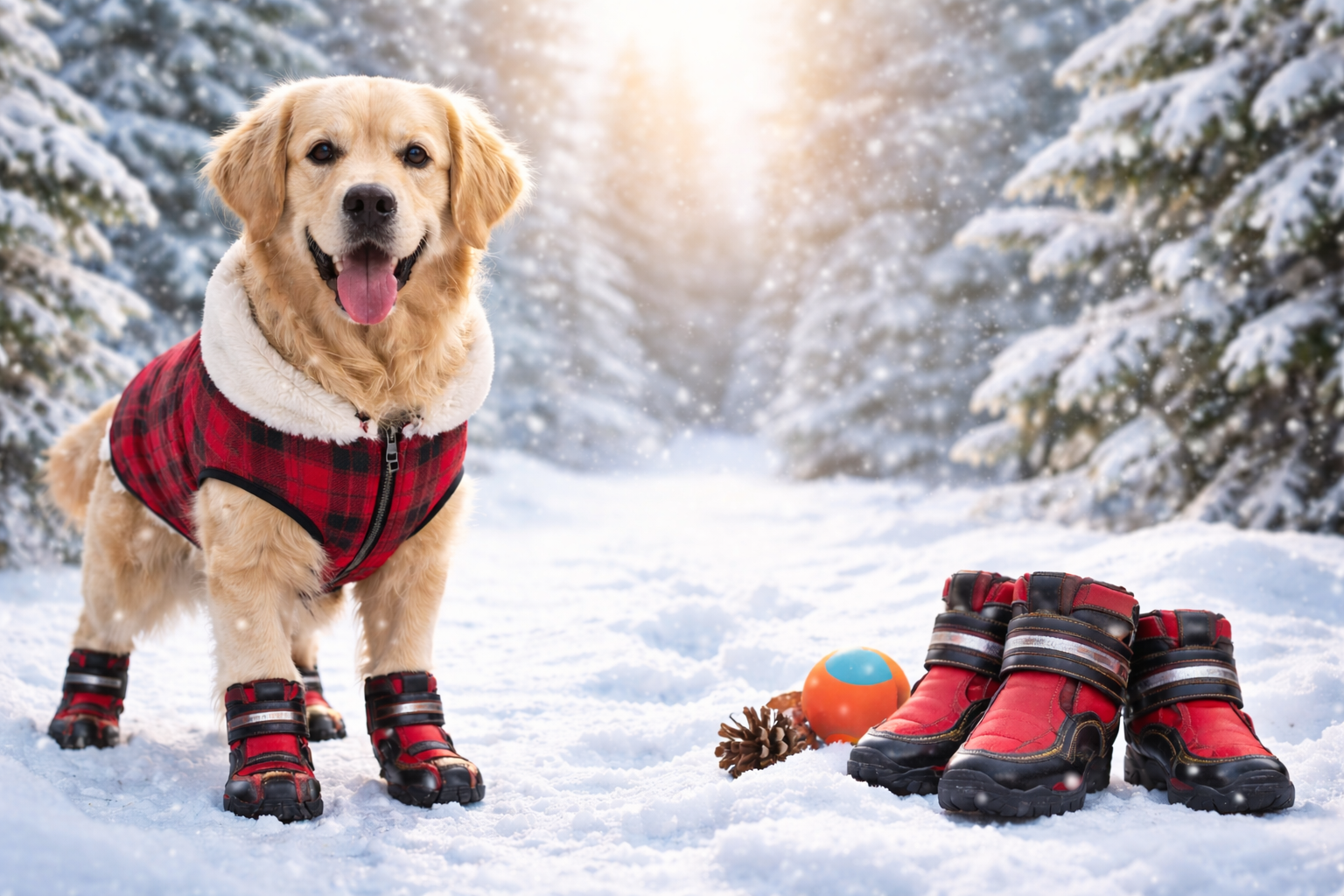
Dog boots for winter is not just a fashion statement; it’s a necessity for your pet’s health and comfort. As the temperature drops and the first snowflakes begin to fall, most dog owners reach for their heavy coats and insulated boots. But what about our four-legged companions? While dogs have a natural layer of protection, the harsh conditions of winter—ice, salt, and freezing temperatures—can be incredibly damaging to their sensitive paws. In this guide, we’ll explore why your dog needs winter protection and how to choose the perfect pair.
Do Dogs Really Need Winter Boots?
You might wonder, “Don’t dogs have tough paw pads?” While it’s true that paw pads are resilient, they are not invincible. Modern winter environments present several hazards that nature didn’t prepare them for. Using reliable dog boots for winter can prevent many of these common seasonal injuries.
1. Chemical Melters and Salt: Most cities use rock salt or chemical de-icers on sidewalks. These substances can cause chemical burns, irritation, and dryness on your dog’s paws. Even worse, dogs often lick their paws after a walk, ingesting these toxic chemicals. Quality dog boots for winter act as a barrier against these harmful substances.
2. Ice Accumulation: Between the toes of long-haired breeds, snow can turn into ice balls. These are painful and can cause the skin to crack or bleed. When your pet wears dog boots for winter, their toes stay dry and free from ice buildup.
3. Frostbite Risk: Just like human hands, paws can suffer from frostbite during prolonged exposure to sub-zero temperatures. Durable dog boots for winter provide the insulation needed to keep their body temperature stable.
4. Traction on Slippery Surfaces: Winter boots often feature rubberized soles that provide much-needed grip on icy patches, preventing slips and muscle strains. This is why many veterinarians recommend dog boots for winter for senior dogs or active breeds.
Top Features to Look for in Winter Dog Boots
Not all boots are created equal. When shopping on oyapet.com for the best gear, you should prioritize specific features that define the most effective dog boots for winter.
Water-Resistant or Waterproof Materials: Snow turns into water as soon as it touches a warm paw. If the boot isn’t waterproof, the damp fabric will freeze, making your dog’s feet even colder. The best dog boots for winter usually feature nylon or high-quality polyester exteriors.
Anti-Slip Rubber Soles: A sturdy, flexible rubber sole is essential for traction. It acts as a barrier against salt and provides the “grip” necessary for running on frozen terrain. Ensure the dog boots for winter you choose have deep tread patterns for maximum safety.
Secure Fastening Systems: Dogs love to run, and a loose boot is easily lost in deep snow. Look for Velcro straps (preferably double straps) or reflective cinch cords that ensure the dog boots for winter stay snugly on the leg throughout the entire walk.
Breathability and Lining: While you want to keep the cold out, you don’t want the paws to overheat and sweat excessively. Fleece-lined interiors in dog boots for winter provide the best warmth-to-breathability ratio.
How to Measure Your Dog for Winter Boots
One of the biggest reasons owners return dog boots is “poor fit.” To get the right size for your dog boots for winter, follow these simple steps to ensure comfort:
-
Place the paw on a piece of paper.
-
Lift the opposite paw so your dog’s full weight is on the paw you are measuring (this mimics the “splay” of the paw while walking).
-
Mark the widest points on the left and right sides.
-
Measure the distance between the marks and compare it to the size chart provided for the specific dog boots for winter you are purchasing.
Pro Tip: If your dog is between sizes, it is usually better to go one size up, especially if they have a lot of fur between their toes. Correct sizing is crucial for the effectiveness of any dog boots for winter.
Training Your Dog to Wear Boots
Don’t expect your dog to run a marathon in their new boots immediately. Most dogs perform a “high-step dance” the first time they feel something on their feet. Training them to get used to dog boots for winter requires patience and positive reinforcement.
-
Start Indoors: Let them wear the boots for 5–10 minutes inside while giving them treats and praise.
-
Focus on Distraction: Use a toy or a meal to keep their mind off their feet while they adjust to the feeling of dog boots for winter.
-
Check the Fit: After the first few minutes, ensure the straps are still secure and not cutting off circulation.
Conclusion: Protecting Your Best Friend
Winter should be a time of joy and snowy adventures, not paw pain and vet visits. By choosing the right dog boots for winter, you are ensuring that your pup stays active, warm, and safe from the hidden dangers of ice and salt. Whether you have a small Chihuahua or a massive Great Dane, a pair of durable, waterproof dog boots for winter is the best investment you can make this season.