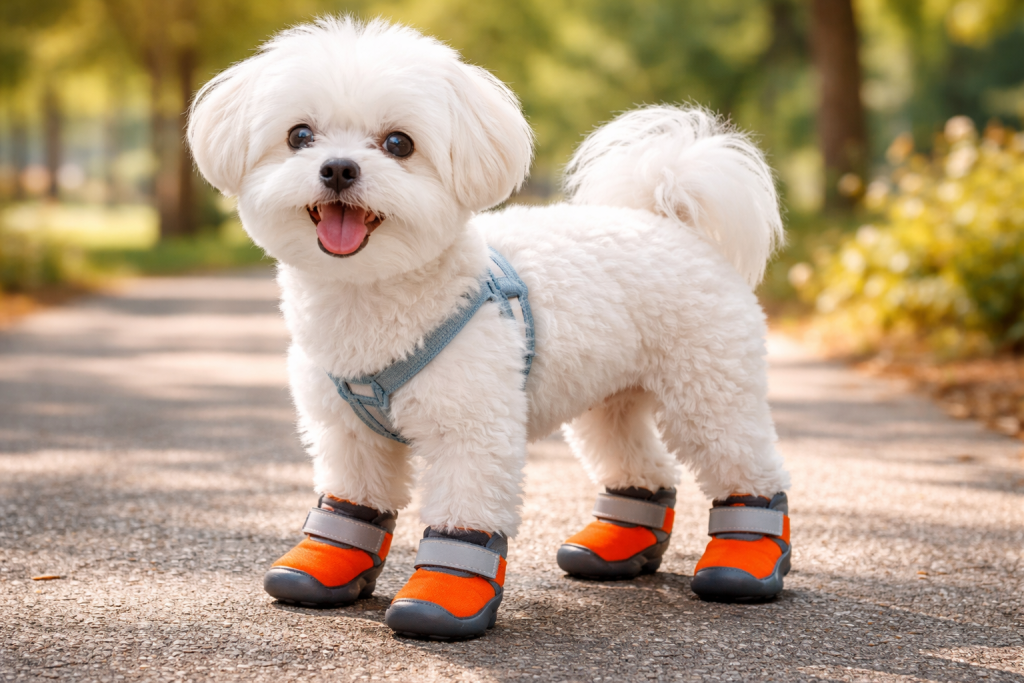


DOG RAIN BOOTS: THE COMPLETE GUIDE TO KEEPING YOUR DOG’S PAWS DRY AND PROTECTED

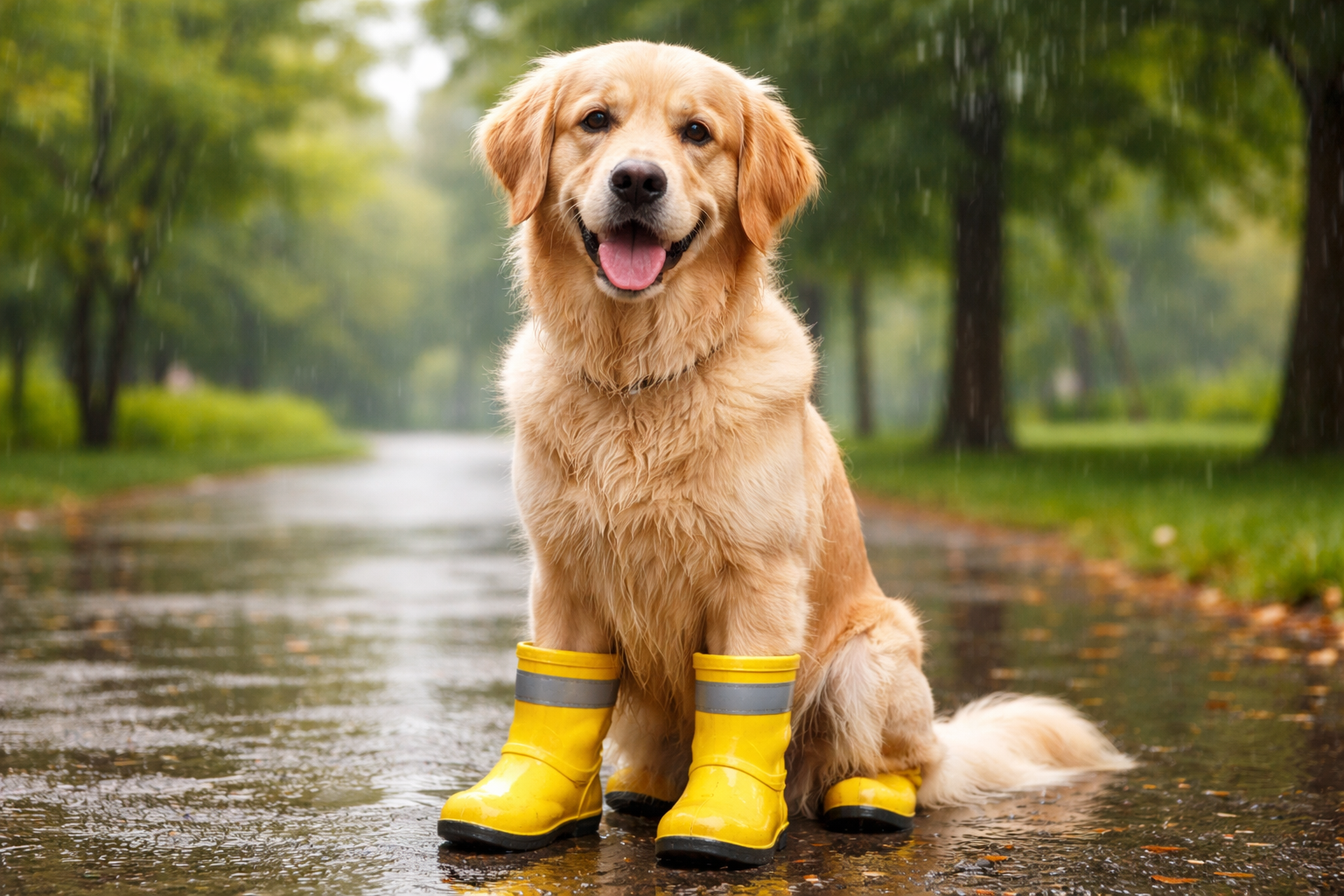
Dog rain boots are an essential accessory for pet owners who want to protect their dogs’ paws from wet, muddy, and slippery conditions. While rain may seem harmless, repeated exposure to moisture can weaken paw pads, increase the risk of infection, and cause discomfort during walks. With proper protection, your dog can stay active outdoors without compromising paw health or bringing mud into your home.
WHY PAW PROTECTION MATTERS DURING RAIN
A dog’s paws are naturally tough, but they are not designed for prolonged contact with soaked pavement, mud, and contaminated rainwater. Constant dampness softens the paw pads, making them more vulnerable to cracks and irritation. Small debris hidden in puddles can also lodge between the toes.
Using dog rain boots creates a barrier between sensitive paw tissue and environmental stressors. This added layer helps maintain dryness, reduces exposure to bacteria, and improves overall comfort during wet-weather walks.
According to the American Kennel Club, prolonged exposure to moisture can increase the risk of paw irritation and infection.
KEY BENEFITS OF DOG RAIN BOOTS
Waterproof Defense
The most obvious benefit of dog rain boots is waterproof protection. Quality materials such as rubber, PVC, or coated fabrics prevent moisture from penetrating the interior. Keeping paws dry significantly lowers the chance of fungal growth and bacterial buildup.
Improved Stability on Slippery Surfaces
Rain makes sidewalks, tiles, and wooden floors slippery. Boots with textured, anti-slip soles provide better traction and reduce the risk of falls. This is especially important for senior dogs or breeds prone to joint sensitivity.
Cleaner Indoor Environment
Wet, muddy paws can quickly turn into a cleaning challenge. Protective footwear minimizes dirt tracking and helps maintain a cleaner living space after outdoor activity.
Protection from Urban Contaminants
Rainwater in cities often mixes with oil residues, chemicals, and other pollutants. Dog rain boots help limit direct contact with these irritants, which can otherwise dry out or inflame paw pads over time.
HOW TO CHOOSE THE RIGHT PAIR
Selecting the appropriate boots requires careful evaluation of fit, materials, and construction quality.
Measure Accurately
Measure the width of your dog’s paw at its widest point and the length from heel pad to the tip of the longest nail. Proper sizing prevents circulation restriction while ensuring the boots stay securely in place.
Prioritize Waterproof Materials
Look for sealed seams and durable outer layers. Thin or poorly stitched fabric may allow water seepage. High-quality rubber or waterproof neoprene tends to provide reliable protection.
Check the Sole Design
A thick, textured rubber sole improves traction and offers protection from sharp objects hidden in puddles. Thin soles may not provide adequate durability.
Secure Fastening System
Adjustable straps or hook-and-loop closures keep boots snug without being too tight. A secure fastening system prevents slipping during active movement.
Lightweight and Flexible Build
Heavy boots can alter a dog’s natural gait. Flexible construction allows comfortable walking while maintaining protection.
TRAINING YOUR DOG TO WEAR BOOTS
Some dogs may initially resist wearing footwear. Introducing dog rain boots gradually can ease the adjustment process.
Start by allowing your dog to inspect and sniff the boots. Fit one paw at a time and allow short indoor practice sessions. Encourage movement with treats and praise. Positive reinforcement helps your dog associate the boots with enjoyable outdoor activities.
Most dogs adapt within a few sessions, especially once they realize the boots do not restrict mobility.
WHEN ARE DOG RAIN BOOTS MOST USEFUL?
Although primarily designed for rainy weather, they are beneficial in multiple situations:
-
Rainy neighborhood walks
-
Muddy hiking trails
-
Wet snow conditions
-
Slippery indoor flooring
-
Post-rain urban environments
If your dog frequently experiences paw irritation after damp walks, investing in durable dog rain boots can significantly reduce recurring discomfort.
COMMON MISTAKES TO AVOID
Choosing style over functionality is a frequent error. Waterproof capability, traction, and proper sizing should always take priority.
Another mistake is ignoring maintenance. After each use, rinse the boots with clean water and allow them to air dry completely. Proper care extends product lifespan and maintains hygiene.
ARE THEY SUITABLE FOR ALL BREEDS?
Dog rain boots are suitable for nearly all breeds when correctly sized. Small dogs typically require lightweight, flexible models, while larger breeds benefit from reinforced stitching and thicker soles. Highly active dogs need durable construction capable of handling extended outdoor use.
FINAL THOUGHTS
Rain does not have to interrupt your dog’s routine. With well-fitted dog rain boots, you can protect sensitive paws from moisture, debris, and slippery terrain while keeping your home cleaner.
By prioritizing fit, waterproof materials, traction, and comfort, you ensure safe and enjoyable walks regardless of weather conditions. Investing in quality protection today can prevent paw issues tomorrow and contribute to your dog’s long-term well-being.