


Do Puppies Need Shoes? The Ultimate Guide to Puppy Shoes and Paw Protection

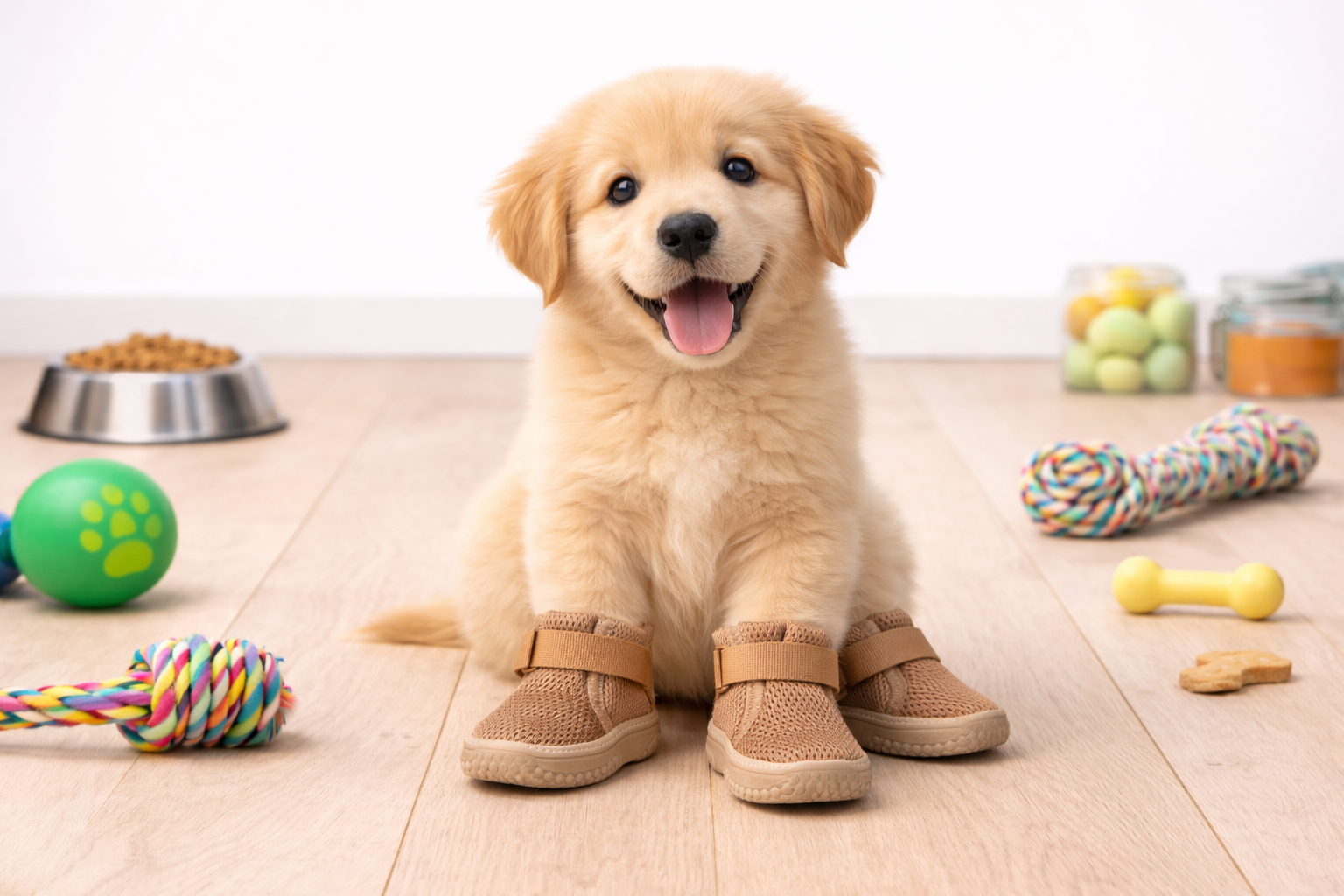
As a new dog parent, you want the absolute best for your furry friend. From the high-quality kibble to the softest bed, every detail matters. But have you ever looked at those tiny paws and wondered: “Does my puppy need shoes?”
While puppy shoes might look like a cute fashion statement, they serve a much more functional purpose. In this guide, we’ll dive deep into why puppy shoes are essential, how to choose the right pair, and tips for training your pup to wear them comfortably.
Why Should You Consider Puppy Shoes?
Puppies have sensitive paw pads that aren’t yet toughened by years of walking on various terrains. Here are the top reasons why investing in quality footwear for your pup is a smart move:
1. Protection Against Extreme Temperatures
Whether it’s the scorching summer asphalt or the freezing winter snow, ground temperatures can be brutal.
-
Summer: Pavement can reach temperatures high enough to cause second-degree burns on a puppy’s paws within seconds.
-
Winter: Snow, ice, and especially the salt/chemicals used to melt ice can irritate or burn their pads.
2. Safety from Sharp Objects
Puppies are naturally curious and often wander into areas they shouldn’t. Broken glass, sharp thorns, or jagged rocks can easily puncture a soft paw pad. A sturdy pair of puppy shoes acts as a barrier against these hidden dangers.
3. Indoor Traction
If you have hardwood or tile floors, you’ve likely seen your puppy do the “Bambi on ice” slide. Constant slipping can lead to joint strain or injuries. Shoes with rubberized soles provide the grip they need to navigate your home safely.
What to Look for When Buying Puppy Shoes
Not all dog boots are created equal. Since puppies grow fast and have specific needs, keep these factors in mind:
How to Measure Your Puppy’s Paw for the Perfect Fit
Getting the right size is crucial. If the shoes are too tight, they’ll cut off circulation; too loose, and they’ll trip over them.
-
The Paper Method: Place your puppy’s paw on a piece of paper.
-
Lift the Opposite Paw: This ensures the puppy puts full weight on the paw you are measuring, causing it to splay naturally.
-
Mark the Width and Length: Mark the widest part of the paw and the longest part (including nails).
-
Compare: Match these measurements against the sizing chart on oyapet.com.
Training Your Puppy to Wear Shoes: A Step-by-Step Guide
It’s a classic internet trope: a dog wearing shoes for the first time and doing a hilarious, high-stepping dance. While funny, we want our pups to feel confident, not stressed.
Step 1: Positive Association
Let your puppy sniff the shoes. Give them a treat every time they interact with the footwear. We want them to think: “Shoes = Good things!”
Step 2: One Paw at a Time
Don’t rush to put all four shoes on. Start with just the front paws. Let them wear them for 30 seconds while feeding them high-value treats, then take them off.
Step 3: Distraction is Key
Once the shoes are on, immediately engage them in their favorite game or offer a lick mat. If they are focused on the toy, they’ll forget they’re wearing “weird things” on their feet.
Step 4: Short Indoor Sessions
Keep the first few sessions indoors on a carpeted surface. Gradually increase the time until they are walking normally.
Common Mistakes to Avoid
-
Leaving them on too long: Shoes should be removed once you’re back indoors to let the paws breathe.
-
Ignoring the Dewclaw: Ensure the straps don’t rub against the dewclaw (the “thumb” claw higher up the leg), as this can cause painful chafing.
-
Not checking for debris: After a walk, always check inside the shoe for small pebbles or sand that might have slipped in.
Conclusion: Are Puppy Shoes Worth It?
Absolutely. While they require a bit of patience and training, puppy shoes are a vital tool for keeping your pet safe, clean, and comfortable. Whether you’re hiking through the woods or just strolling down a sunny city sidewalk, your puppy’s paws deserve the best protection.
At Oyapet, we understand that your dog’s comfort is your top priority. Check out our latest collection of durable, stylish, and vet-approved puppy footwear designed for every adventure!